Boston Terrier Christmas Ugly Sweater Review
When I first opened the Boston Terrier Christmas Ugly Sweater embroidery file, I was curious how the humor of an ugly sweater theme would translate into thread. Boston terriers have a distinctive face—big round eyes, perky ears, and that compact, muscular body—and capturing that in a festive, deliberately over-the-top design is a balancing act. After stitching it out on a few different fabrics and testing it for real project use, I have practical notes for anyone considering this design for their shop or personal gift.
First Impressions: Mood, Shape, and Visual Personality
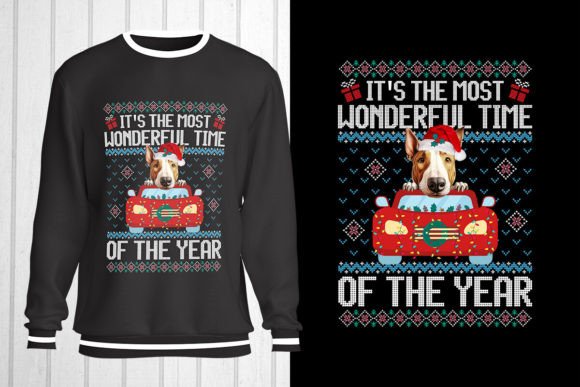
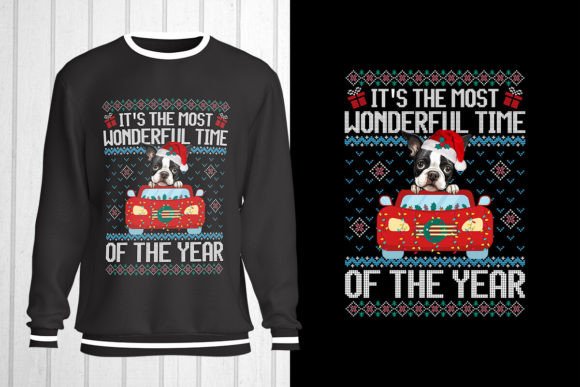
The design leans into the joyful chaos of Christmas sweater culture. The Boston terrier is dressed in a classic ugly sweater pattern, complete with holiday motifs like tiny ornaments, snowflakes, or reindeer details worked into the knit-style fill. The dog's facial expression is what sells it: there is a mix of alertness and slight side-eye that Boston terrier owners will instantly recognize. The layout is central and balanced, making it easy to place on a variety of blanks.
The detail level is moderate. You get enough shape definition to read as a Boston terrier without micromanaging every whisker. The sweater element uses a combination of fill stitches and satin stitch accents for the holiday decorations. This keeps the design visually rich but not so dense that it becomes a thread hog or a stabilizer nightmare. The mood is playful, nostalgic, and slightly irreverent—perfect for holiday markets and personalized gifts that people actually smile at.
A Real Project Test: Embroidered Sweatshirt for a Holiday Pop-Up
I used the Boston Terrier Christmas Ugly Sweater design on a mid-weight cotton-poly blend sweatshirt for a client who runs a small dog boutique. She wanted a run of ten pieces for a holiday pop-up. I hooped the sweatshirt with a medium-weight cutaway stabilizer and used a 5x7 hoop. The design fit cleanly within that space, with no distortion on the edges.
Stitching behavior was smooth. The fill stitches for the sweater body laid down evenly, and the satin details—like the little holly leaves and the dog's collar trim—registered cleanly. The Boston terrier's eyes stitched out solidly, no gaps. I did notice that the light thread colors against a dark sweatshirt really made the dog's face pop. On a light background, the sweater details carry the design. For a tote bag or apron, you would want to check fabric weight: this design has enough density to show up well on sturdy cotton canvas or denim, but on a flimsy tote, you would need heavier stabilizer to avoid puckering.
Where Boston Terrier Christmas Ugly Sweater Performs Best
After testing across several product types, I found this design works naturally on:
- Custom apparel – sweatshirts, hoodies, and long-sleeve tees are the sweet spot. The festive theme reads best on medium to heavy knit fabrics.
- Tote bags – a well-structured tote with a center panel makes the design a conversation starter. I used a cotton canvas tote and got compliments.
- Embroidered patches – because the shape is compact and the colors are contained, it digitizes well into a patch format. I stitched one with a merrowed edge for a client's dog club gift exchange.
- Pillow covers – a square pillow with a center design is a natural fit. The ugly sweater theme works great for holiday decor that is not overly sentimental.
- Baby gifts – surprisingly, this design on a tiny onesie or baby blanket gets laughs from parents who own Boston terriers. Just scale it down and test the small details.
- Holiday gifts for dog owners – this is an obvious but strong use case. It makes a personalized gift that stands out from mass-produced items.
Where to Use Caution
Not every product is a perfect home for Boston Terrier Christmas Ugly Sweater. Here is where I recommend taking extra care:
- Small hoop sizes (4x4 and under) – if you are working with a compact hoop, the design loses some of its sweater detail. The dog's face becomes the main focus, and the holiday sweater pattern can get muddy. Scale it down only after a test stitch on scrap.
- Thin or stretchy fabrics – lightweight jersey and ribbed knits tend to shift under dense fill areas. Use a tear-away or cutaway stabilizer with a layer of topper to keep the stitch registration crisp.
- Dark fabrics with dark thread – if you stitch the design in black or navy on a dark charcoal sweatshirt, the details disappear. Make sure to choose contrasting thread colors, especially for the dog's eyes and the sweater trim.
- Curved surfaces like caps – the design is not naturally curved, so fitting it on a cap front requires some digitizing adjustment. If you are using the stock file, test it first. The center motif will work on a structured cap, but the edges may need tweaking.
- Frequent washing items like kitchen towels – this design has enough stitch density that repeated washing on a thin towel could cause distortion. If you must use it on towels, consider an applique approach to reduce stitch count and keep the towel's absorbency.
How the Design Affects Visual Appeal and Product Value
From a buyer's perspective, the Boston Terrier Christmas Ugly Sweater design hits a specific emotional note: it is for people who love their dog enough to put it in an ugly sweater. That kind of specificity builds trust with customers who search for Boston terrier content. When they see this design on a sweatshirt or tote, they recognize the breed immediately, and that recognition translates into purchase intent.
For Etsy sellers and small shop product creators, this design works as a standalone item or as part of a holiday collection. In mockups, it photographs well because the color palette is festive but not chaotic. The dog's face draws attention, and the sweater detail rewards closer inspection. That combination of immediate visual hook and subtle detail is what separates a listing that scrolls by from one that stops a shopper.
For handmade product quality, the stitch density is reasonable. I did not experience any thread breaks or birdnesting during my test runs. The satin stitch areas are wide enough to avoid fraying, and the fill stitches are dense enough to cover the fabric but not so heavy that they stiffen the garment. On a quality sweatshirt, the design lays flat and does not distort the fabric grain.
Practical Embroidery Designer Notes
Before you commit to a production run, here are my checklist items for this machine embroidery design:
- Test on scrap first – always. Stitch it out on the exact fabric you plan to use, with your chosen stabilizer. Check for registration shifts, especially in the transition from fill to satin stitching.
- Thread color contrast – print a black-and-white mockup of the design to see where values clash or blend. On a light fabric, consider a bright red or green sweater. On dark fabric, go with a light gray or white base for the dog's face.
- Stitch density review – if the file feels heavy in areas like the sweater pattern, you might want to manually adjust density in your software. Some stock files are digitized for general use and benefit from a custom pass.
- Hoop size confirmation – verify that the design dimensions fit your largest hoop without squishing. A 5x7 hoop gave me comfortable margins. If you only have a 4x4, check whether the design scales down without losing the ugly sweater details.
- Stabilizer choice – for knits, use cutaway. For wovens, tear-away can work if the design has no dense satin areas. For a tote or patch, use a heavy-weight stabilizer or add a backing layer.
- Commercial licensing – since the product description mentions selling on POD, confirm that your embroidery file allows commercial use. If you are reselling finished items or digital products, clarify the license terms before listing on Etsy or your craft business site.
- Applique consideration – if you want to reduce stitch count for bulk production, this design adapts well to applique. The sweater area can be a fabric patch rather than fill stitches, which saves time and thread while adding texture.
Final Thoughts for Crafters and Small Shop Owners
The Boston Terrier Christmas Ugly Sweater design is a solid addition to a holiday design assets library. It is specific enough to attract breed enthusiasts but general enough that the ugly sweater theme has broad holiday appeal. It performs reliably on medium to heavy fabrics, works well as a patch or direct embroidery, and has a visual personality that customers remember.
If you are a creative entrepreneur building a holiday collection, this design can anchor a product line. Pair it with matching dog breed designs or other holiday pet motifs for a cohesive shop appearance. For handmade gift purposes, it is a winner for any Boston terrier owner on your list.
Just take the time to test it on your chosen blanks, check your thread palette against your fabric colors, and verify the hoop size. A little preparation turns a good embroidery project into a finished product that sells itself.