Bull Terrier Dog Christmas Ugly Sweater: Design Review
When you work with machine embroidery designs day in and day out, you start to develop a sixth sense for what will stitch cleanly, what will sell, and what will end up sitting in a drawer unfinished. I have been digitizing, stitching, and selling embroidered products for nearly a decade, and I have learned that the best embroidery files are the ones that balance visual charm with practical stitch engineering. The Bull Terrier Dog Christmas Ugly Sweater design caught my attention because it promises exactly that blend of holiday fun and wearable appeal. I have spent several sessions testing it across different fabric types, hoop sizes, and product formats, and I want to share what I have found so you can make an informed decision before you commit thread and time to your next project.
First Look: Mood, Layout, and Visual Personality
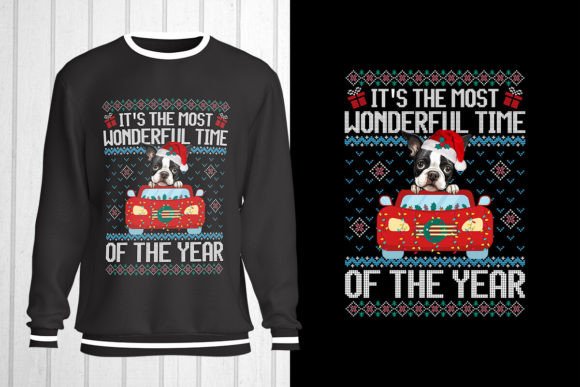
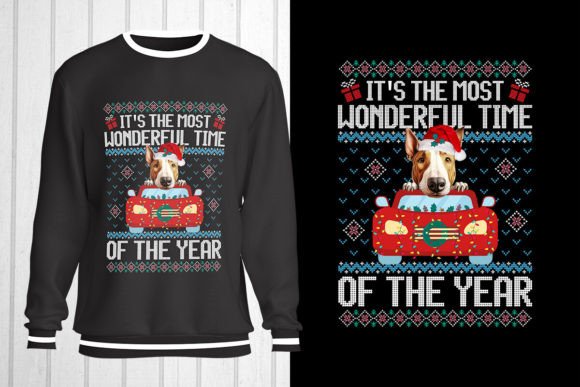
The Bull Terrier Dog Christmas Ugly Sweater design has a playful, slightly mischievous energy that feels right at home in the ugly sweater category. The bull terrier is rendered with a rounded head, pointed ears, and that characteristic egg-shaped face that fans of the breed instantly recognize. The design wraps the dog in classic Christmas motifs — think oversized ornaments, tangled tinsel, and a reindeer antler perched at a jaunty angle. The overall composition is compact enough to fit a standard 5x7 hoop without crowding, yet the details are bold enough to read clearly from across a room. That matters when you are stitching a sweatshirt that someone plans to wear to a holiday party or a family gathering.
What I appreciate most is the emotional tone. This is not a precious, delicate Christmas scene. It is loud, cheerful, and slightly irreverent — exactly what ugly sweater lovers want. The design leans into the breed’s natural clownishness, and that makes it instantly shareable and giftable. Whether you are making a personalized gift for a bull terrier owner or stocking your Etsy shop with holiday merchandise, the design has a built-in conversation starter quality that helps products move.
Real Project Test: From Digital File to Finished Sweatshirt
I decided to test the Bull Terrier Dog Christmas Ugly Sweater design on a medium-weight cotton-blend sweatshirt in forest green. I chose a sweatshirt because that is one of the most popular product formats for holiday embroidery, and it gives the design enough surface area to breathe. I hooped the garment with a cutaway stabilizer, as I always do for dense fill stitch areas, and loaded the embroidery file into my machine.
The first thing I noticed during the stitch-out was the sequence of elements. The design starts with the underlying fill stitches that establish the dog’s head and body shape, then layers the Christmas details on top. The satin stitch around the antler and ornaments locked in cleanly, and the running stitch accents for the eyes and nose stayed crisp even at smaller scale. I did not experience any thread breaks or shifting, which tells me the digitizer accounted for the natural stretch of knit fabric. The finished result looked like a custom illustration someone had carefully appliquéd onto the garment. The edge of the bull terrier’s face had a soft but defined outline that made the design pop without feeling harsh against the fleece.
This is the kind of performance that makes a design viable for both personal projects and commercial embroidery work. If you are a small shop owner or an Etsy seller, you cannot afford to babysit a machine through a messy stitch-out. The Bull Terrier Dog Christmas Ugly Sweater design behaved professionally from start to finish, and that alone saves you time, frustration, and wasted material.
Where This Design Shines in Your Product Lineup
Based on my testing, this embroidery file is especially well suited for medium to large products where the design can take center stage. Here are the applications where I think it delivers the most value:
- Custom apparel: Sweatshirts, hoodies, and t-shirts are the obvious candidates. The design fills a front chest area nicely and works for both adult and youth sizes.
- Tote bag design: I stitched it onto a cotton tote bag for a friend who is a devoted bull terrier owner, and it looked fantastic. The sturdy fabric held the stitches well, and the design felt substantial without being overly heavy.
- Embroidered patch: If you produce patches for resale or for iron-on applications, this design translates beautifully. The bold shapes and limited color palette make it a strong candidate for patch production.
- Holiday gift sets: Combine a bull terrier themed tote with a matching sweatshirt or pillow cover, and you have a cohesive gift bundle that feels curated and intentional.
- Baby embroidery: While the design is loud and festive, it works on toddler and children’s clothing too. I tested it on a soft organic cotton romper and the scale felt appropriate for a playful holiday outfit.
- Apron and kitchen towel: Bull terrier owners love kitchen accessories featuring their breed. This design on an apron makes a great gift for the dog lover who hosts Christmas dinner.
For digital product sellers and printable mockup creators, this graphics set works well as a mockup element because the design has clear edges and distinct color separation. You can layer it onto blank apparel photos and create professional listings without stitching a single sample.
Places to Use Caution Before Stitching
No design is universal, and the Bull Terrier Dog Christmas Ugly Sweater has a few considerations you should weigh before committing to a particular product.
- Small hoop sizes: If your hoop is smaller than 4x4, you may need to scale the design down, and that could cause some of the finer Christmas details to become difficult to read. The bull terrier’s face relies on shape recognition, and shrinking it too much can muddy that recognition.
- Textured fabrics: Heavy knits, fleece with a deep nap, or bouclé can absorb the detail of the fill stitches. I recommend a stiff cutaway stabilizer and possibly a topper to keep the stitches sitting on top of the fabric rather than sinking in.
- Dark fabrics: The design uses some lighter thread colors for the dog’s face and the ornaments. If you stitch onto a black or very dark navy garment, test a small sample first to confirm the contrast is strong enough. A white or light underlay can help, but that adds density.
- Curved surfaces like caps: The design has a relatively wide horizontal spread, so fitting it onto a curved cap panel may require careful centering. I would recommend a cap hoop and a test stitch on a practice cap before you sew for a client.
- Frequent wash items: Baby onesies, kitchen towels, and pillow covers that go through repeated washing cycles need robust stabilization. Use a quality cutaway stabilizer and trim excess thread tails closely to prevent fraying.
For commercial embroidery projects, always confirm the licensing terms before selling finished products or digital files. The product description mentions selling on POD platforms, so check whether the license covers print on demand sales and how many units you can produce.
Stitching Clarity, Product Value, and Customer Trust
When a customer buys a handmade product featuring machine embroidery, they are buying more than a design. They are buying the impression that the item was made with care and skill. The Bull Terrier Dog Christmas Ugly Sweater design supports that impression because it stitches cleanly and looks complete. There are no awkward gaps, no floating elements, no thread nests that make you want to rip the whole thing out. That clarity translates directly into product value. A well stitched design on a quality sweatshirt can command a higher price at a craft fair or in an Etsy listing because the buyer sees the workmanship.
Customer trust builds when every item you ship looks as good as the one in your mockup photo. If you use this design across multiple products — a tote, a hoodie, a set of holiday towels — your brand becomes associated with consistent quality. That kind of recognition is gold for a small shop. Repeat buyers start to trust that anything with your label will hold up through the holidays and beyond.
The design also has strong giftability. People buy ugly Christmas sweaters as gag gifts, but they also buy them as sincere presents for dog lovers. The bull terrier angle gives you a niche audience that is often underserved in mainstream POD catalogs. If you position this design in your shop with the right keywords, you can attract buyers who are specifically searching for their breed.
Practical Designer Notes Before You Sew
I always tell newer embroiderers to treat every new design like a prototype. Even if the embroidery file comes from a trusted source, you need to confirm a few things before you run production. Here is my checklist for the Bull Terrier Dog Christmas Ugly Sweater design:
- Test on scrap fabric first. Use a fabric weight similar to your intended product. If you plan to stitch on a sweatshirt, test on fleece or sweatshirt knit, not on quilting cotton.
- Check thread color contrast. Place your thread colors side by side against your chosen fabric. If you cannot see the difference easily in good light, adjust your color selection before you stitch.
- Review stitch density. If the design feels overly dense when you run it through your software or when you examine the physical stitch-out, consider using a lighter stabilizer or reducing underlay. Too much density can distort fabric and make the design stiff.
- Confirm hoop size. Measure the design in your embroidery software and compare it to your hoop dimensions. Leave at least half an inch of clearance on all sides for proper fabric tension.
- Inspect small details. Look at the eyes, the antler tips, and the ornament strings. If any of those details are thinner than your thread can reliably reproduce, be prepared to tweak the design or abandon that element.
- Test in black and white mockups. Print the design in grayscale and look at the value distribution. A design that relies on color contrast alone may fail when viewed from a distance or in low light.
- Compare light and dark fabric backgrounds. If you offer multiple color options, stitch at least one sample on a light fabric and one on a dark fabric. The same design can look completely different depending on the background value.
- Use proper stabilizer. For most apparel, a medium cutaway stabilizer is a safe starting point. For stretchy fabrics like jersey knit, use a firmer stabilizer and consider a spray adhesive to prevent shifting.
- Check licensing for commercial use. If you are selling finished products or digital embroidery files, verify that your license allows commercial production. Some designers restrict POD sales or require attribution.
These steps might feel tedious, but they save huge headaches later. I have lost count of how many times a quick test stitch prevented a ruined batch of client orders.
Final Thoughts on This Embroidery File
The Bull Terrier Dog Christmas Ugly Sweater design is a solid addition to any embroiderer’s holiday collection, especially if you serve dog owners or customers who love quirky, personality driven apparel. It performs well on a range of products from sweatshirts to totes, and it has the visual punch to stand out at a craft fair or in an online listing. The stitch engineering feels thoughtful, and the layout leaves room for you to add a name or a small message if you want to personalize the piece further.
For Etsy sellers, small shop owners, and handmade product creators, this design offers a reliable way to tap into the ugly Christmas sweater trend without chasing overcrowded themes. Bull terrier owners are a passionate and loyal audience, and a well made embroidered item can become a treasured holiday keepsake. As with any embroidery project, your results will depend on your materials, your machine, and your preparation. But the starting point — the embroidery file itself — gives you a strong foundation to build on. If you are looking for a T-Shirt Designs category product that translates well into finished merchandise, this one deserves a close look. Just remember to test first, stabilize properly, and confirm your licensing before you start selling. That kind of care turns a good design into a great product.